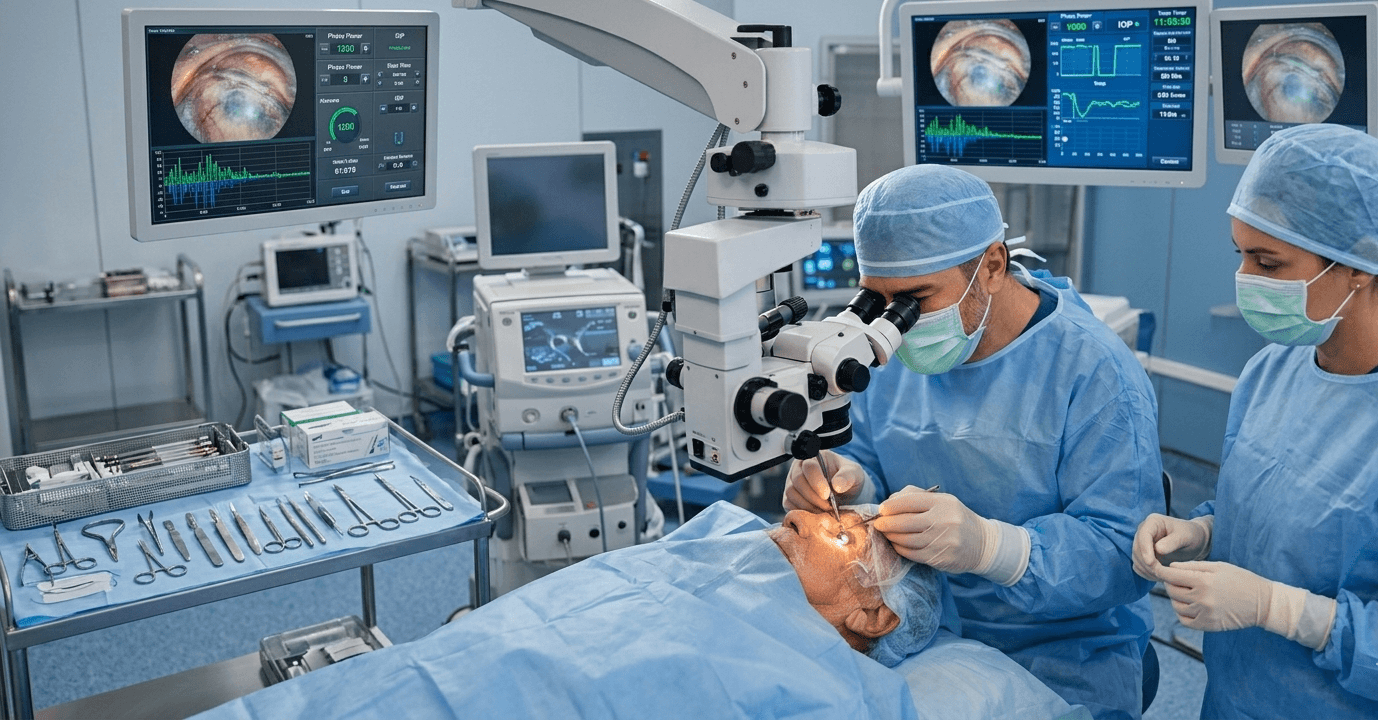
Vision plays a central role in our daily lives. When cataracts begin to cloud the natural lens of the eye, even simple activities such as reading or driving can become difficult. Fortunately, cataract surgery is one of the safest medical procedures available today.
The Opportunity: Modern ophthalmology has transformed this procedure into a quick, minimally invasive solution that restores visual clarity and improves quality of life. In many cases, it not only removes the cloudy lens but also corrects existing vision problems through advanced artificial lens implants.
For millions of patients around the world, cataract surgery represents the opportunity to regain independence, safety, and visual confidence.
Understanding Cataracts
A cataract occurs when the eye’s natural lens becomes cloudy. This lens normally focuses light onto the retina to produce clear images.
When proteins within the lens begin to break down and clump together, they create the cloudiness known as a cataract.
Cataracts typically develop slowly and are most commonly associated with aging, although they can also occur due to injury, medical conditions, or prolonged exposure to ultraviolet light.
Common Symptoms
- Blurred or cloudy vision, similar to looking through a foggy window.
- Increased sensitivity to light and glare, especially while driving at night.
- Halos around lights and colors appearing faded or yellowed.
- Frequent changes in glasses prescription.
During consultations, many patients describe the experience as if the world slowly becomes dimmer or less vibrant. These changes can significantly affect daily activities and overall quality of life.
When Is Cataract Surgery Necessary?
Cataracts do not always require immediate surgery. In early stages, vision changes can sometimes be managed with stronger glasses, improved lighting, or magnifying lenses. However, cataract surgery becomes necessary when the condition begins interfering with everyday life and simple tasks become a challenge.
Early Management
- • Use of magnifying lenses
- • Increased lighting for reading
- • Prescription updates for glasses
Signs It's Time
- • Difficulty reading or watching TV
- • Problems driving, especially at night
- • Reduced independence in daily activities
- • Vision that no longer improves with glasses
At many ophthalmology clinics, patients are often surprised to learn that surgery is not based solely on the size of the cataract, but rather on how much it impacts their quality of life.
How the Surgery Works
Cataract surgery is designed to remove the cloudy natural lens and replace it with a clear artificial lens known as an intraocular lens (IOL). Today, the most common technique used is called phacoemulsification, a highly advanced method that allows surgeons to perform the procedure through extremely small incisions with exceptional precision.
Micro-Incision Surgery (Phacoemulsification)
- 1A tiny incision (smaller than 3mm) is made in the eye.
- 2Ultrasound energy breaks the cloudy lens into small fragments.
- 3Fragments are removed and a foldable artificial lens is inserted.
- 4The incision usually seals naturally without the need for stitches.
"Most patients remain awake during the surgery, with only numbing eye drops and mild sedation used for comfort. The entire process typically takes 15 to 20 minutes and is performed as an outpatient procedure."
* Most individuals are able to return home the same day.
Types of Intraocular Lenses (IOLs)
After the cataract is removed, your natural lens is replaced with a clear artificial one. Modern intraocular lenses offer several options designed to match a patient’s lifestyle and vision needs.
Monofocal Lenses
Provide clear vision at one specific distance, usually far distance. Patients who choose this option often still require reading glasses for close work.
Multifocal & EDOF
These advanced lenses are designed to provide vision at multiple distances, allowing many patients to reduce their dependence on glasses for reading and computer use.
Toric Lenses
Specifically engineered to correct astigmatism, a condition that causes blurred vision due to an irregular curvature of the cornea.
During the consultation process, ophthalmologists help patients select the most appropriate lens based on their daily activities, hobbies, and visual goals. The right choice can significantly impact your long-term satisfaction.
Recovery Timeline
One of the major advantages of modern cataract surgery is the relatively quick healing process. Many patients notice improved vision within 24 to 48 hours.
Vision begins improving; mild irritation may occur. A protective eye shield is often worn during sleep.
Vision continues stabilizing; most daily activities can be resumed. Eye drops help prevent infection.
The eye fully adapts to the new lens; final vision results become clear.
Post-Surgery Care
- •Use prescribed antibiotic and anti-inflammatory eye drops
- •Avoid rubbing or pressing on the eye
- •Wear protective eyewear when sleeping
- •Attend follow-up appointments with the eye specialist
Activities to Avoid
- •Heavy lifting or strenuous exercise
- •Swimming pools or hot tubs
- •Dusty environments that could irritate the eye
Following post-operative instructions carefully plays a major role in achieving the best visual results.
Benefits and Considerations
Expected Benefits
- ✓Sharper, clearer vision
- ✓Brighter and more vivid colors
- ✓Reduced glare when driving at night
- ✓Greater independence in daily life
- ✓Restored confidence and overall well-being
Possible Risks
Although cataract surgery is extremely safe, every medical procedure carries some level of risk. Fortunately, complications are rare and can usually be treated effectively when detected early.
- Infection or Inflammation
- Swelling of the retina
- Retinal detachment
- Posterior capsule opacification (secondary cataract)
Note: Regular follow-up appointments allow eye specialists to monitor healing and address any concerns promptly.
Frequently Asked Questions
Q.Is cataract surgery painful?
No. The procedure is typically painless because numbing eye drops are used. Most patients report only a slight sensation of pressure during the process.
Q.How long does cataract surgery take?
The surgical portion usually lasts 15 to 20 minutes, although the entire clinic visit may take a few hours to include pre-operative preparation and initial recovery monitoring.
Q.How long is the recovery period?
Initial recovery usually takes a few days, with many patients noticing improved vision within 24 to 48 hours. However, full healing and stabilization of the eye may take several weeks.
Q.Will I still need glasses after surgery?
This depends on the type of intraocular lens (IOL) you select. While some patients still require reading glasses for close work, advanced lenses can significantly reduce or even eliminate dependence on eyewear.
Q.Can cataracts come back after surgery?
No. Once the cloudy natural lens is removed, it cannot grow back. However, some patients develop a temporary cloudiness behind the lens implant (secondary cataract) that is easily treated with a quick laser procedure.
Ready to Restore Your Vision?
If blurred vision or glare is affecting your quality of life, it may be time for a professional evaluation. Schedule a comprehensive consultation today.
Book Your Consultation