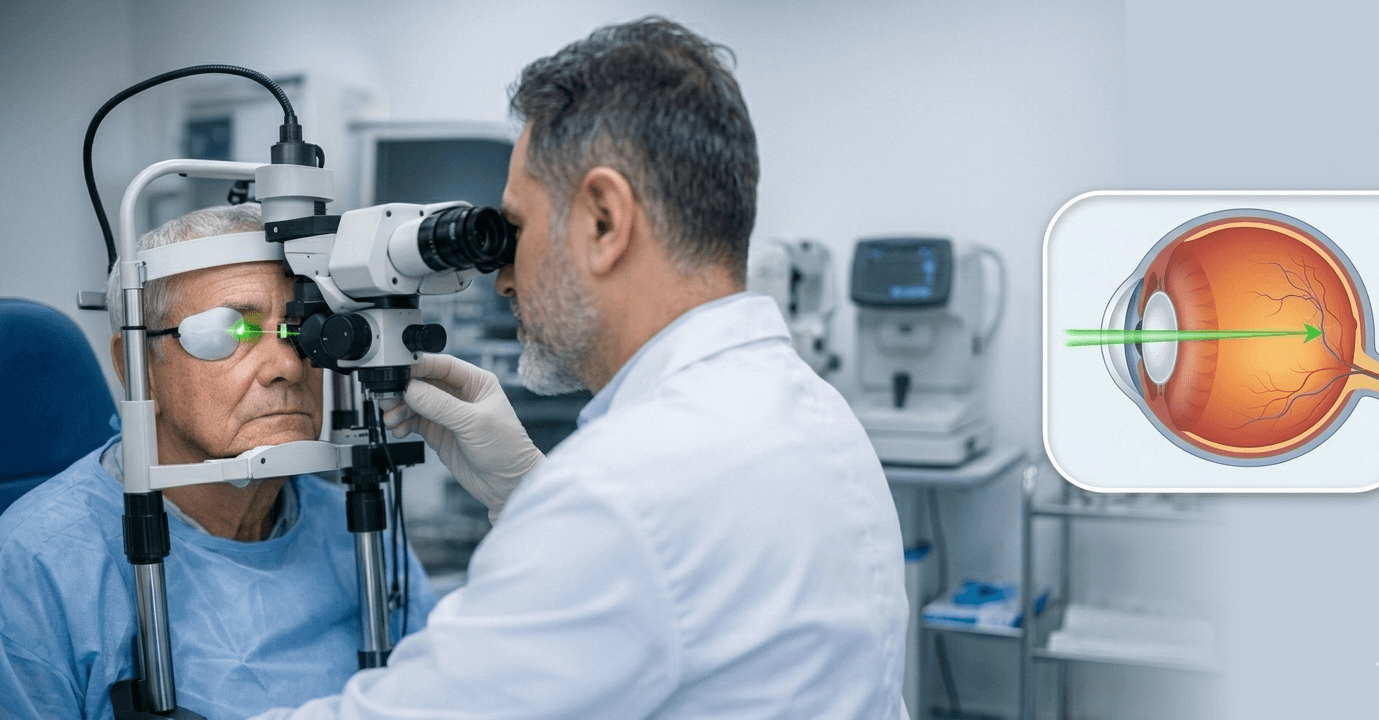
Glaucoma is a group of eye conditions that damage the optic nerve, one of the most critical parts of your visual system. This nerve acts like a cable, transmitting visual information from your eye to your brain.
When it becomes damaged, vision loss begins—and unfortunately, it cannot be reversed.
The Silent Thief of Vision: Glaucoma often progresses without pain or noticeable symptoms, so many patients only know they have it after significant sight loss has already occurred.
From a clinical standpoint, early detection is essential because glaucoma damages peripheral vision first, leaving central vision intact until later stages.
What Causes Glaucoma? Understanding Eye Pressure
Inside your eye, there is a fluid called aqueous humor. This fluid is constantly produced and drained to maintain a healthy balance. When this drainage system fails or becomes blocked, fluid builds up, increasing intraocular pressure (IOP).
This elevated pressure compresses the optic nerve, gradually damaging its delicate fibers.
Key Risk Factors You Shouldn’t Ignore
- Age over 60
- Family history of glaucoma
- African, Hispanic, or Asian ancestry
- Diabetes or high blood pressure
- Severe nearsightedness (myopia)
Many patients assume glaucoma only affects older individuals, but risk can begin earlier—especially when genetics are involved.
Glaucoma Symptoms: When Do Warning Signs Appear?
Early Stages (No Symptoms)
The most common type of glaucoma develops silently. There are no noticeable symptoms in the early or even middle stages.
Advanced Vision Loss
As the disease progresses, symptoms begin to appear as peripheral vision is gradually lost.
- Gradual loss of peripheral (side) vision
- Difficulty navigating spaces
- “Tunnel vision” in advanced stages
Acute Angle-Closure Glaucoma (Medical Emergency)
This rare type presents suddenly and requires immediate medical attention.
- Severe eye pain
- Nausea and vomiting
- Blurred vision
- Halos around lights
- Red eyes
If you experience these symptoms, seek emergency care immediately.
How Is Glaucoma Diagnosed?
Glaucoma cannot be detected through symptoms alone. The only reliable way to diagnose it is through a comprehensive eye exam.
Essential Eye Exams
- Tonometry: Measures eye pressure
- Optic nerve examination: Evaluates nerve damage
- Visual field test: Detects peripheral vision loss
- OCT scan: Measures nerve fiber thickness with high precision
Many patients believe that updating their glasses prescription is enough—but that’s not the case.
A full eye exam is the only way to detect glaucoma early, even when vision seems perfectly fine.
Glaucoma Treatment Options: Can It Be Cured?
Glaucoma has no cure, and vision loss cannot be reversed. However, treatment can slow or stop progression.
Eye Drops (First-Line Treatment)
The most common treatment involves medicated eye drops that reduce fluid production and improve fluid drainage.
- Reduce fluid production
- Improve fluid drainage
Laser Therapy
Laser treatments, such as trabeculoplasty, help improve drainage within the eye. They are quick, effective, and usually performed on an outpatient basis.
Surgery Options
In more advanced cases, surgery may be required to create a new drainage pathway.
From a clinical perspective, treatment success depends heavily on patient adherence. Skipping medication is one of the main reasons glaucoma progresses.
Living With Glaucoma: Daily Care and Long-Term Management
Managing glaucoma is a long-term commitment. Consistent treatment and regular follow-up are essential to preserve vision.
Importance of Treatment Adherence
- Use medications exactly as prescribed
- Never skip doses
- Follow up regularly with your eye doctor
Lifestyle and Eye Health
- Regular exercise
- Healthy diet
- Managing systemic conditions like diabetes
While lifestyle changes cannot cure glaucoma, they can support overall eye health.
Long-term discipline is what protects vision and keeps the disease under control.
Benefits and Risks of Glaucoma Treatment
Benefits
- Preserves remaining vision
- Prevents severe vision loss or blindness
- Maintains independence and quality of life
Risks and Considerations
- Lifelong treatment commitment
- Possible side effects from eye drops (redness, irritation)
- Rare surgical complications
Frequently Asked Questions
Q.Can glaucoma cause blindness?
Yes, if left untreated. However, with early detection and proper treatment, most patients can preserve their vision.
Q.Can glaucoma be cured?
No. Treatment focuses on slowing or stopping progression rather than reversing damage.
Q.Is glaucoma hereditary?
Yes, family history is a significant risk factor, which is why regular eye exams are especially important if glaucoma runs in your family.
Q.Can you have glaucoma with normal eye pressure?
Yes. This is known as normal-tension glaucoma, and it still requires careful monitoring and treatment.
Q.How often should I get my eyes checked?
If you are over 40 or at risk, a comprehensive eye exam every 1–2 years is recommended.
Protect your vision with an expert eye exam.
Early detection makes the difference between preserving sight and losing it. Schedule a comprehensive glaucoma screening today.
Book Your Consultation